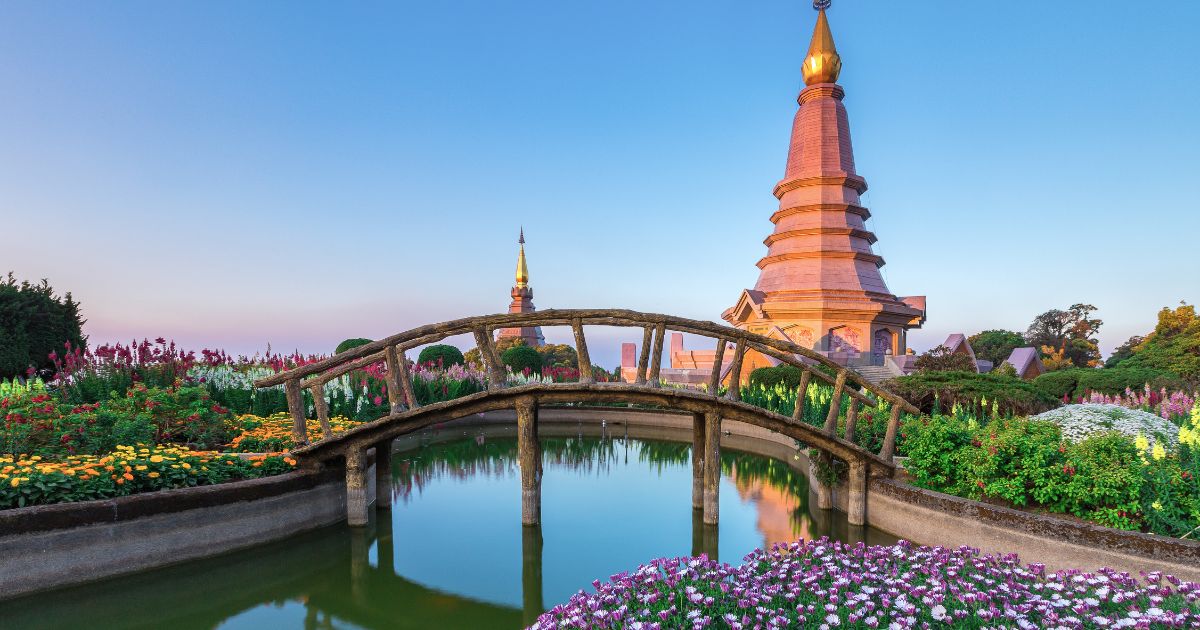
Thailand has officially secured a spot on the global stage as one of the top 20 most liveable countries for 2026. This recognition highlights the nation’s successful integration of striking architecture, forward-thinking urban planning, and a culture deeply rooted in design.
The ranking, originally curated by Architectural Digest, emphasizes that liveability is not solely determined by GDP or military strength. Instead, the list focuses on how a sustained commitment to design and artistic expression can significantly improve the quality of life for residents and expatriates alike. Thailand joins an elite group of nations, including Switzerland, Japan, and the United States, recognized for creating environments where people truly thrive.
Bangkok: A Global Design Hub
A major contributor to this ranking is the capital city. Bangkok is recognized by UNESCO as a “City of Design” and continues to climb international indices. The city recently jumped 11 places to rank 33rd in the 2025 Global Cities Index. From the ornate details of historic Buddhist temples to the modern innovation found at the Thailand Creative & Design Centre (TCDC), the city offers a unique blend of heritage and contemporary vision.
Major annual events—such as Bangkok Design Week and the ASA Architect Expo—continue to draw international attention, showcasing the country’s experimental spirit and creative talent.
What This Means for Chiang Mai
While Bangkok often takes the spotlight in global rankings, Thailand’s top-20 status brings significant implications for the North:
- A “City of Crafts and Folk Art” Synergy: As a fellow UNESCO Creative City, Chiang Mai complements Bangkok’s modern design with its deep-rooted artisanal heritage. This national ranking validates the Lanna capital’s appeal to those seeking a high quality of life outside the mega-city environment.
- Expansion of the Digital Nomad Hub: Chiang Mai remains a primary destination for remote workers. Thailand’s reputation for liveability reinforces the city’s position as a global leader for location-independent professionals who prioritize culture and community.
- Investment in Creative Tourism: The recognition of Thailand’s “design DNA” is likely to drive more high-value tourists toward Chiang Mai’s boutique hotels, galleries, and craft workshops, moving the focus away from mass tourism toward sustainable, aesthetics-driven travel.
- Infrastructure and Urban Planning: With the country being lauded for urban planning, there is increased pressure and opportunity for Chiang Mai to resolve local challenges—such as seasonal air quality and traffic—to ensure it remains a flagship of Thai liveability.
The Appeal for Businesses and Professionals
For the business community, Thailand’s inclusion on this list reinforces its status as a premier destination. The combination of a relatively low cost of living compared to Western Europe and a high standard of creative infrastructure makes it a magnet for global talent.
Looking Toward 2026
This global recognition is expected to boost international investment and attract skilled workers from around the world. As we move into 2026, Thailand’s position on this list serves as a testament to the country’s evolving identity—one that balances rapid development with a deep respect for aesthetics and human-centric design.