
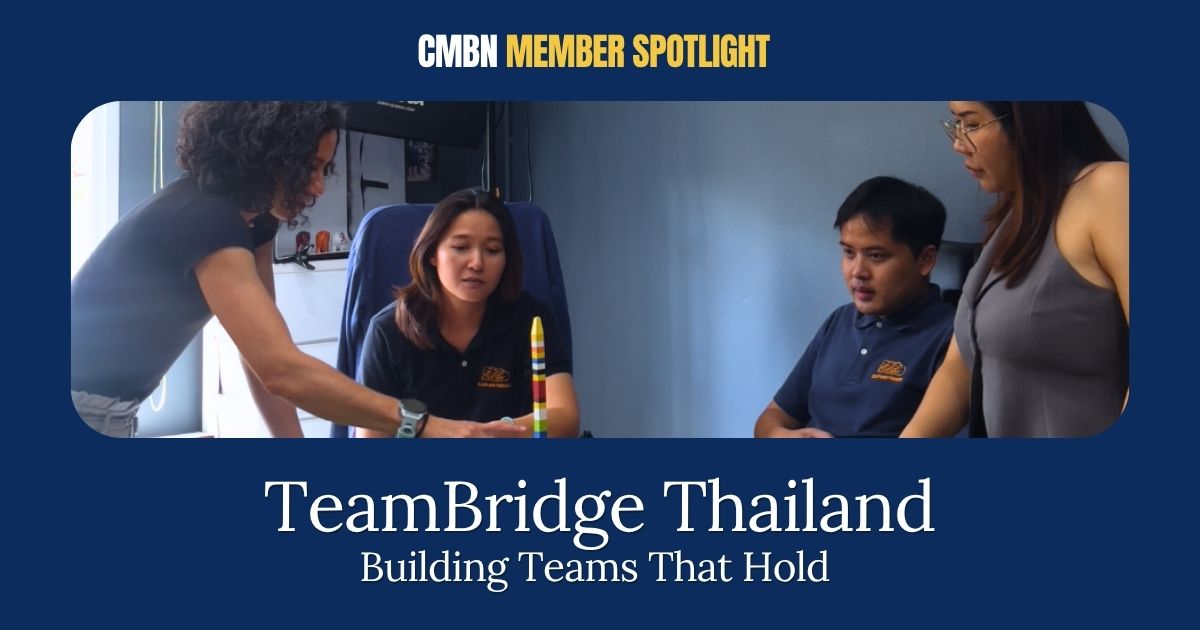
In 2020, Janna Hanover watched two things happen at once. A city went into lockdown. And a close friend packed up and left Chiang Mai because she could not bear the people she was working with any longer.
The lockdown ended. Hanover kept thinking about the second part.
She had seen the pattern often enough to know what it was. Founders with solid products and capable people around them, stalling out not because the market turned against them but because the team had quietly come apart. Hires made on CVs and gut feeling. Job descriptions that had nothing to do with what the role actually demanded. Nobody clear on who could make a call without checking upstairs first. Good people going silent, then leaving, while the founder concluded they had an attitude problem or a motivation problem.
In 2021, Hanover co-founded TeamBridge Thailand with Panthila Jeerawatchanon, known to almost everyone as Khun Ai, on a straightforward premise: the failures that look like people problems are almost always structural problems, and structural problems have structural solutions.

What the work actually is
TeamBridge runs across three areas. Organisational design looks at how authority, decision-making and role clarity are built inside a business. Coaching engagements work at the individual and team level to surface what is slowing execution down. Recruitment support brings the same thinking to hiring, screening for team fit alongside the usual credentials.
The tool at the centre of most engagements is the Enneagram, a personality framework that works differently from the ones most corporate teams have encountered. MBTI and DISC describe what a person does. The Enneagram maps why they do it. It identifies how someone operates under stress, what they are afraid of, and where their communication breaks down when things get hard.
For a business trying to understand why a strong hire has gone quiet, or why two senior people cannot get aligned despite apparently agreeing in every meeting, this is a genuinely useful distinction. Knowing how someone performs on a good day tells you something. Knowing how they behave when they are cornered or exhausted tells you considerably more.
The problem TeamBridge is most often called to fix
Hanover calls it the Visibility and Reality Gap. A founder notices execution has slowed and the team has gone quiet. The working assumption is that people have stopped caring. What TeamBridge actually finds, almost without exception, is one of two things: the team does not know what the job genuinely requires day to day, as opposed to what the description said it required, or nobody is clear on who has the authority to make a decision without waiting for permission first.
Neither problem shows up on a performance review. Both compound quietly over months until someone resigns or a deadline fails in a way that cannot be explained.
The engagement that follows runs to a defined sequence. By 90 days, there are 30, 60 and 90-day execution plans on the table with named owners, a shared framework for handling conflict, and a hiring process built around team fit. Early turnover drops. Decision cycles shorten. INC.com reports that companies with effective communication retain their best people at 4.5 times the rate of those without it. Communication, in the TeamBridge model, is not a culture initiative. It is something that gets engineered at the structural level.
Why Chiang Mai
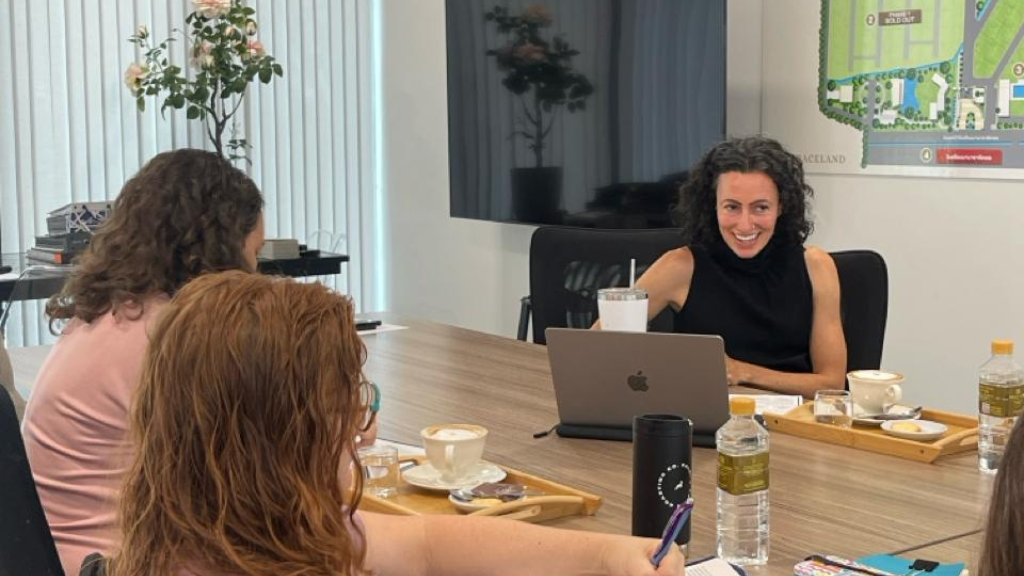
Chiang Mai is not just where TeamBridge is based. It is where the methodology was built, and the city is the reason the methodology works as broadly as it does.
The range of organisations operating here in close proximity is unusual. Traditional Thai family businesses. International schools with complex administrative structures and high staff turnover. Hospitality businesses managing Thai and foreign staff simultaneously. Remote-first companies whose teams have never shared a building. Global founders running product companies on local execution teams. A methodology that holds across that range, and across the cultural distance it contains, is more useful than one built for a single type of client.
The client list reflects it. International schools across the coaching practice. Local businesses including Siamaya and Alt Coliving. The city also runs on relational trust in a way that suits this kind of work. Referrals carry further here than advertising. A word from a respected operator in the local network, including those listed in the GoldenPages Chiang Mai business directory, is worth more than most paid campaigns. TeamBridge has built its reputation on exactly that basis.
The next 90 days
This period is the peak preparation sprint for international schools heading into a new academic year. TeamBridge is running leadership resets and administrative audits for education executives before the calendar turns. Alongside that, several specialised recruitment searches are in progress for local businesses building out their leadership before Q3.
Hanover is also working toward advanced organisational certifications that will broaden the technical range of the coaching practice.
The Free Assessment
The Free Assessment is the entry point for organisations that want to understand their team health before committing to a full engagement. It is a direct conversation with Hanover or Khun Ai. It takes around 60 minutes and costs nothing.
For any business that recognises the pattern described in this article but has not yet been able to put a name to it, that is probably the right place to start.
Book at teambridgethailand.com/assessment.
TeamBridge Thailand is a founding member of the Chiang Mai Business Network.
